
It’s World Chocolate Day!
A few years ago, my family and I were able to tour an organic chocolate farm in the Ko’olau Mountains of Oahu, Hawai’i. In addition to breathtaking views, it was amazing to see how the family who owned the farm raised their plants from seedlings to maturity, and harvested the cocoa beans to make high-quality chocolate.
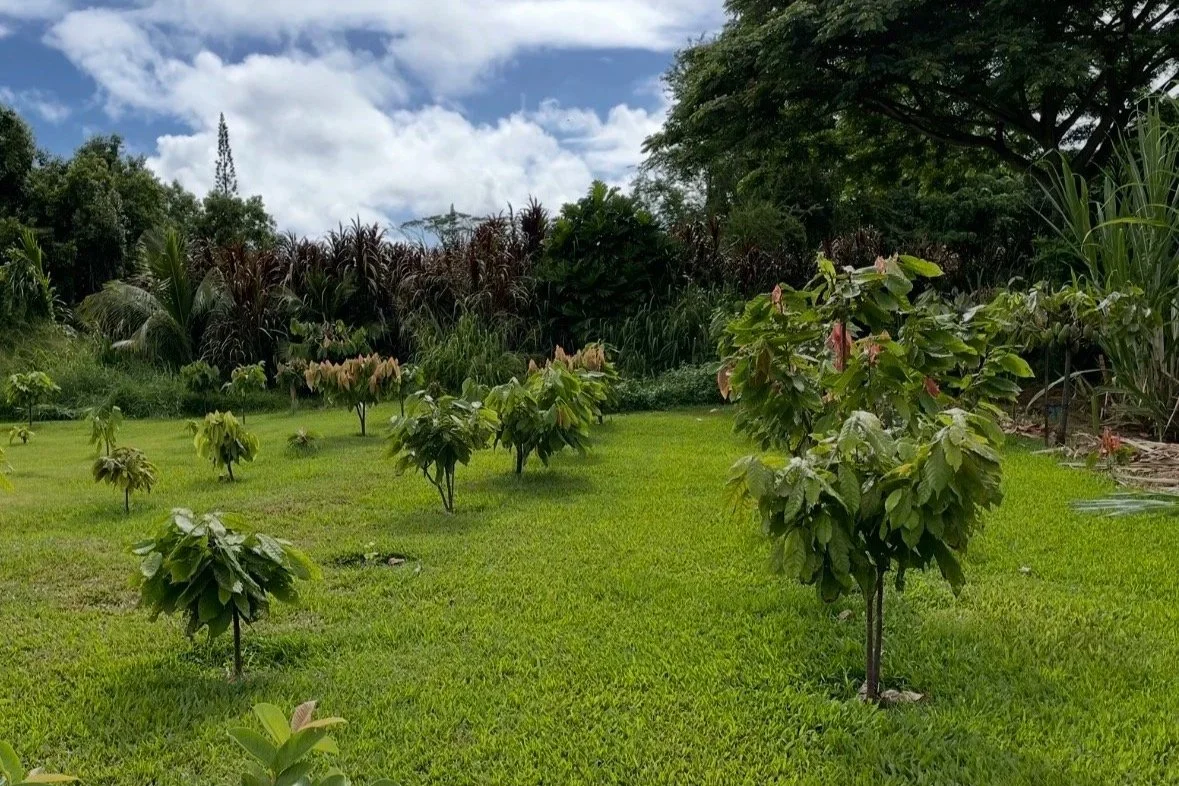
Cacao trees at Keti’s Farm on Oahu, Hawai’i
We were also surprised to learn that raw cocoa beans are sheathed in a sour-sweet, almost lemony pulp that, while edible, doesn’t taste like chocolate at all! We found ourselves wondering who in the world figured out that the beans could be eaten, much less made into chocolate. (There’s an answer to this question! Whether it probably could not reasonably be called “chocolate” as we know it today, the Olmec people of Ecuador first fermented that lemony pulp into an alcoholic beverage.)
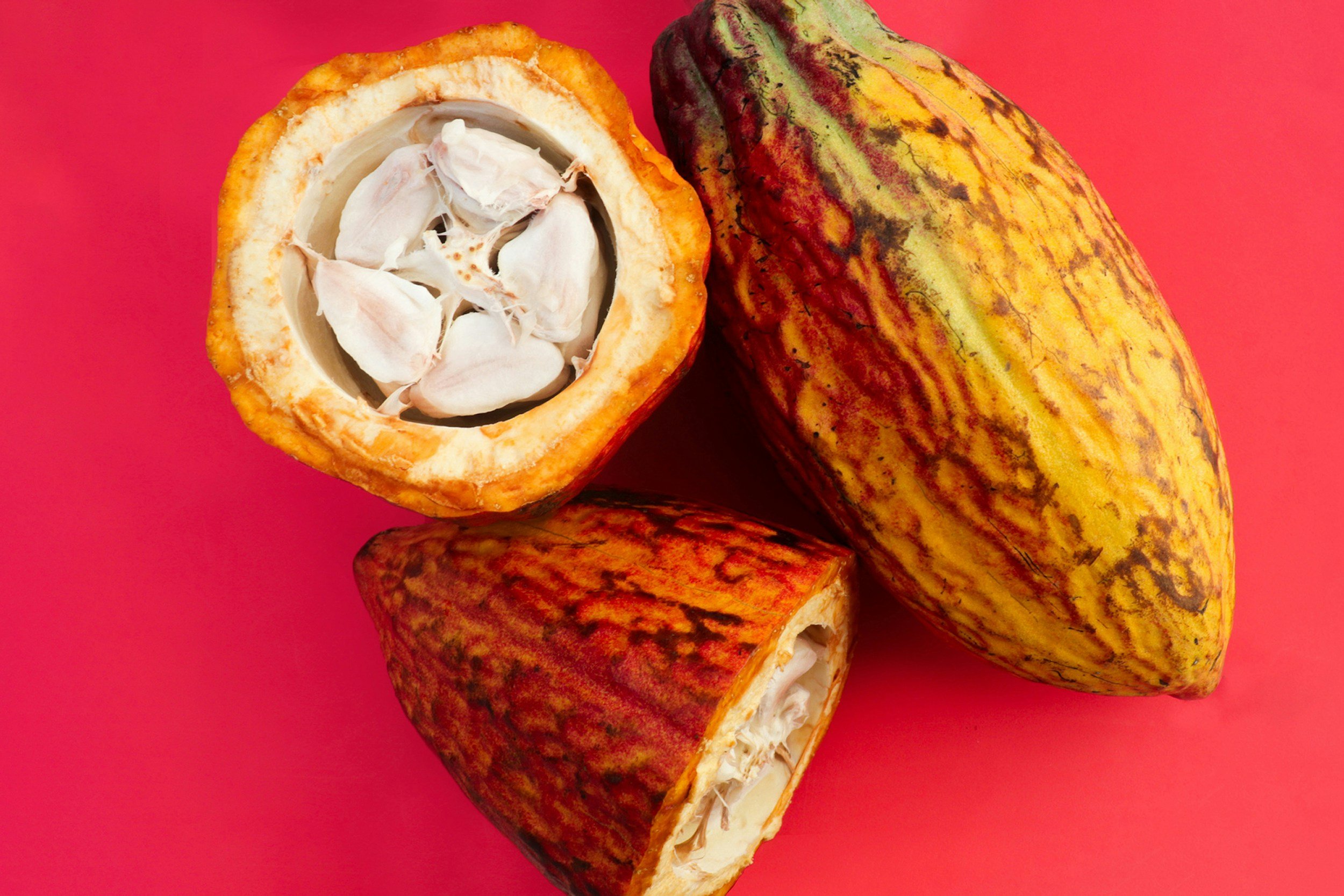
Photo by @juliabezerracruz on Unsplash
It turns out that water plays a crucial role in making chocolate. A single chocolate bar requires almost 450 gallons of water (!) to produce, and while most of that is used for watering the cacao plant, water is also necessary for processing, turning the beans into actual chocolate, and refrigeration and transport. Because cacao trees need a hot, humid, tropical climate (which, not coincidentally, also provides lots of water through natural rainfall!), Hawai’i is the only state in the U.S. with a commercial chocolate industry.
All that to say… Chocolate is another of the wonderful things water makes possible!